

Ioannina, Greece — May 20–23, 2025
In May 2025, a dynamic educational initiative titled “AI in Education (Pilot Delivery
& Innovation Labs)” brought together young adults, educators, policymakers, and
EdTech professionals for a four-day program in Ioannina, Greece. With a hands-on,
interdisciplinary approach, the program explored how artificial intelligence and
robotics are transforming educational landscapes, while also addressing critical ethical
and regulatory considerations.
Day 1: Laying the Foundation
The event opened with introductions and interactive ice-breaking sessions that
encouraged participants to share their contributions, fears, and expectations. This was
followed by a deep dive into the core theme: the role of AI and robotics in education.
Attendees learned about the latest developments and applications of these
technologies in classrooms around the world.
A significant focus was also placed on ethics and regulation in AI, addressing crucial
questions about privacy, bias, and responsible innovation. Role-play exercises
allowed participants to simulate real-world decision-making scenarios, fostering
critical thinking and ethical reasoning. The day concluded with a collaborative Q&A
and poll discussion, ensuring diverse perspectives were shared and considered.
Day 2: Learning Through Industry and Academia
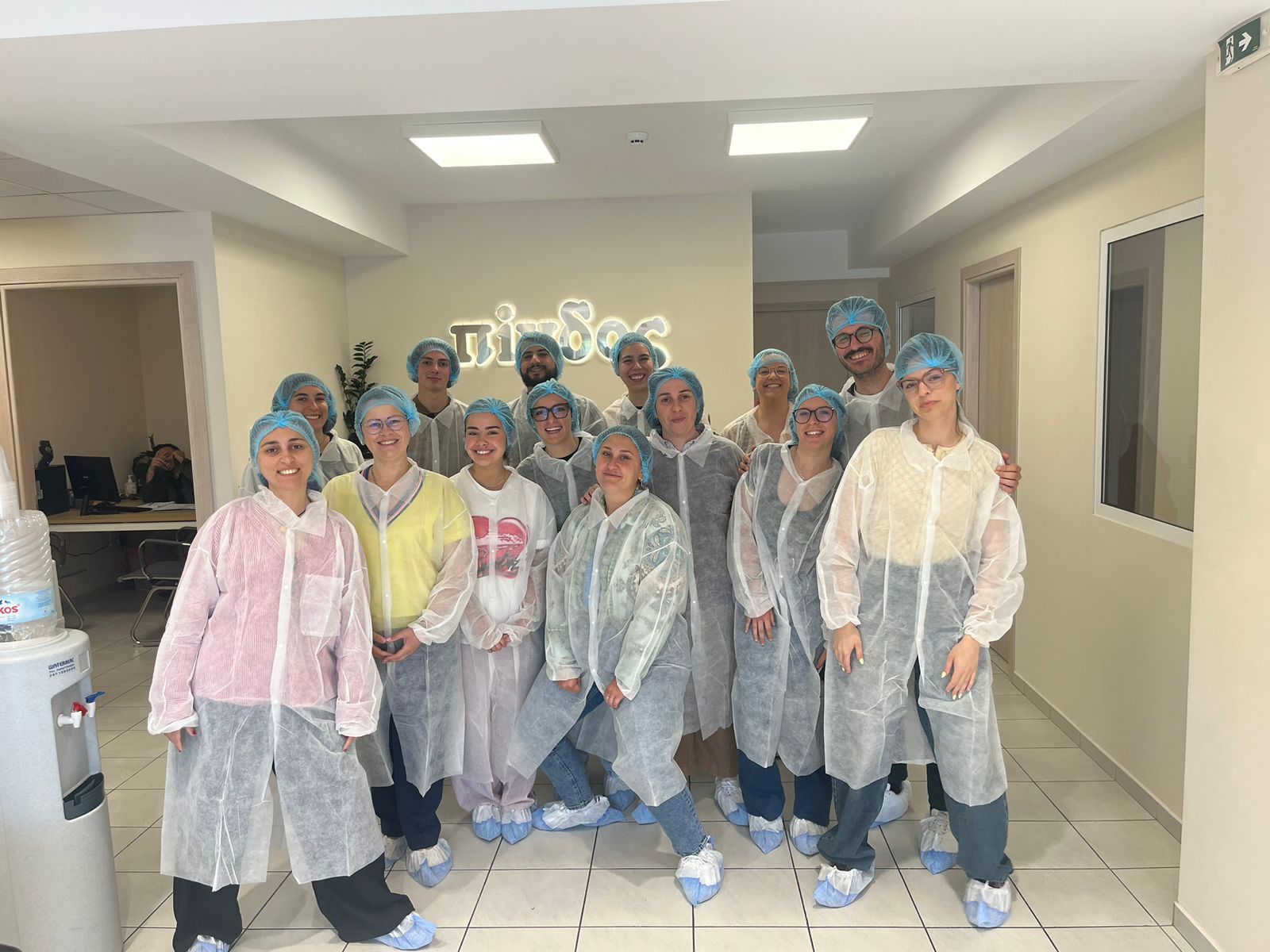
The second day emphasized experiential learning through site visits. In the morning,
participants engaged with PINDOS SA Industry, gaining insight into how automation,
data, and AI-driven processes are used in a real-world production environment. A
tasting session offered a unique cultural touchpoint.
In the afternoon, the group visited the University of Ioannina, where Professor
Vasileios Tenentes led a discussion on cybersecurity in educational settings. This
session highlighted the importance of safeguarding digital infrastructure as schools
and universities adopt more AI tools in both administration and instruction.
Day 3: Connecting Knowledge with Practice
The third day offered space for reflection and creativity. Conversations centered on
the insights gathered from the previous day’s visits. Participants evaluated the
transferability of industry innovations to the education sector, specifically how
processes and technologies seen in the field could inform classroom or institutional
practices.
Participants then formed groups to brainstorm and prepare presentations on how AI-
driven industrial strategies can be adapted for educational use. This group work
encouraged collaboration, innovation, and the blending of theoretical knowledge with
practical application.
Day 4: Presentations and Path Forward
The final day of the program was a showcase of ideas. Group presentations
demonstrated forward-thinking concepts on integrating AI into educational practices
from smart learning platforms to ethical governance models. Partner organizations
contributed final thoughts, emphasizing cross-sector collaboration.
The program concluded with evaluations, certificate distribution, and a forward-
looking discussion about the next steps in AI adoption within education.
Conclusion
The “AI in Education, Pilot Delivery & Innovation Labs” program was more than a
training event, it was a forward-thinking, immersive learning experience designed to
bridge the gap between technology, industry, and education. By equipping
participants with knowledge, ethical awareness, and practical skills, the initiative set a
compelling precedent for future educational innovation efforts in Europe and beyond.
write a resume